
Close




Article written by Valerie Koh, Senior Marketing Manager
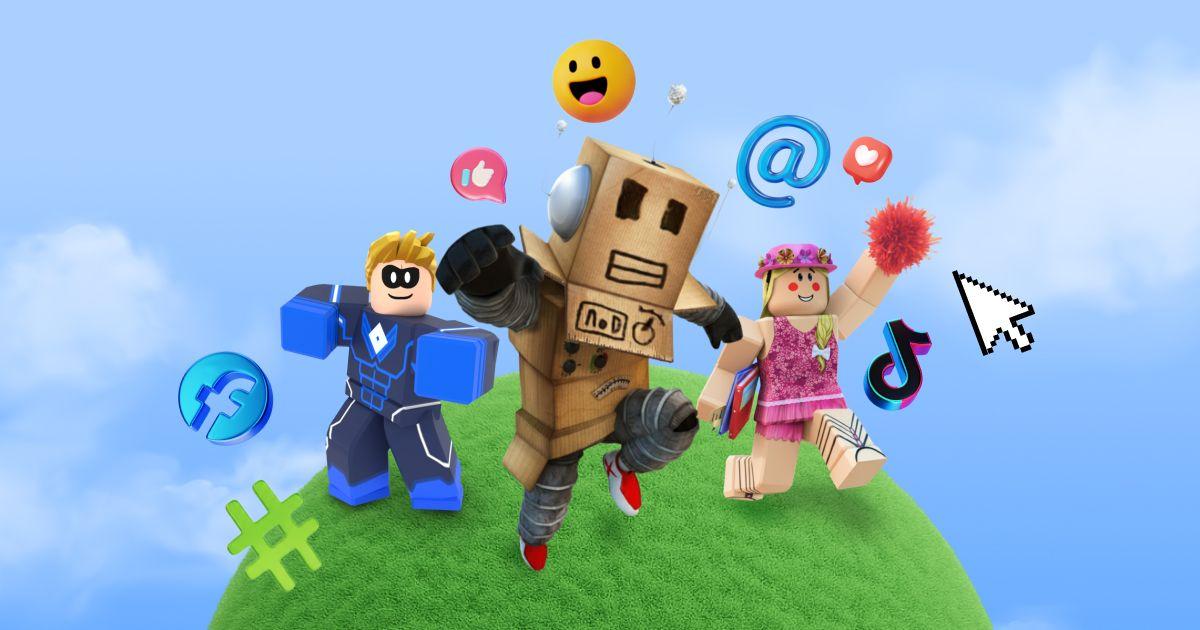
If Millennials grew up on Facebook and Gen Z found their voice on TikTok, Gen Alpha is building entire worlds on Roblox. With more than 230 million monthly active users and billions of hours of playtime each month, Roblox has become more than a game. It is an ecosystem of creativity, self-expression, and community.
For marketers, that changes everything. This generation’s version of social engagement doesn’t happen on a feed or a video stream. It unfolds inside shared, interactive spaces they help design and shape.
Gen Alpha does not just consume content; they co-create it. Roblox’s new ‘Roblox Moments’ feature, built on top of more than 930 million screenshots and 240 million videos, shows how naturally this generation documents and shares experiences. Their default mode of communication is participatory.
For brands, this is a signal to move beyond one-way storytelling. The real opportunity lies in creating experiences that invite audiences to play with the brand, regardless of age group. The instinct to personalise, remix, and contribute is not unique to Gen Alpha; it is increasingly common across digital audiences.
We have seen this same behaviour in our own campaigns, where gamified mechanics and co-creation tools encouraged audiences to participate rather than passively consume content.
Example: Paramount Property’s Make Small Talk the Small Step Towards Bridging Communities Campaign
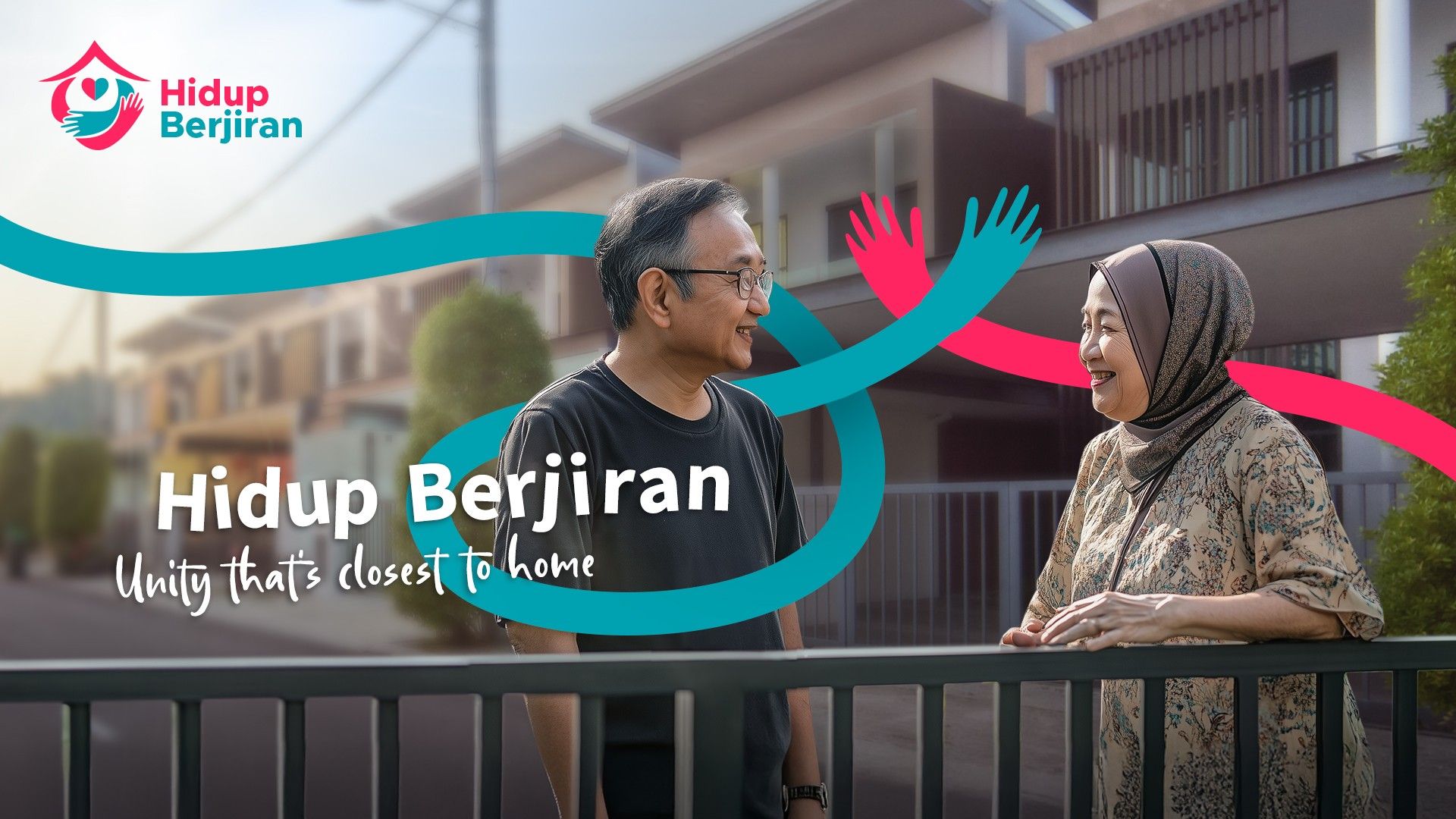
Paramount Property, a Malaysian developer known for its lifestyle-focused townships, wanted to show that its value went beyond the homes it built. The brand aimed to strengthen real connections among residents and bring community spirit to life. We conceptualised the Hidup Berjiran Challenge, a four-week initiative that turned neighbourliness into a series of playful, community-driven acts. Instead of focusing on sales, residents were invited to complete weekly challenges such as greeting their neighbours, sharing meals, and celebrating festivities together, then share their experiences online using a branded hashtag.
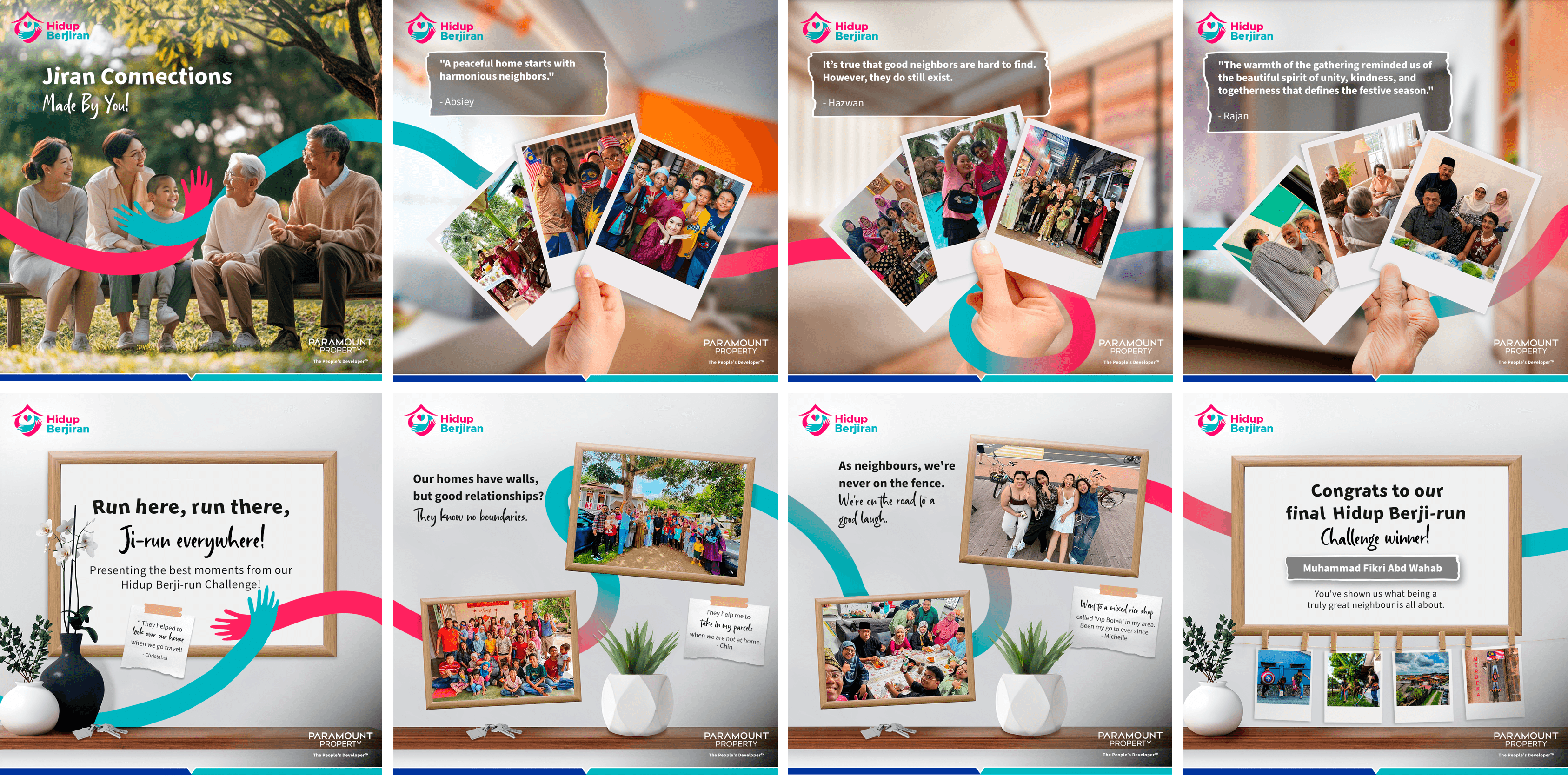
What began as a light-hearted initiative grew into a genuine movement powered by user-generated stories. The campaign generated more than 180,000 impressions and a 4.39% engagement rate, with participation continuing organically even after it ended. Beyond the numbers, it demonstrated how participation fuels emotional connection and how giving audiences space to shape a narrative can transform engagement into genuine advocacy.
While Roblox provides a playground for Gen Alpha, the broader lesson for brands is clear: audiences today value interaction over interruption. The desire to explore, personalise, and experience something hands-on extends far beyond the gaming world.
Our campaigns have shown that when audiences are given space to engage actively—whether through immersive experiences, playful challenges, or interactive environments—engagement naturally deepens.
Example: EVA Air’s Worlds Within Reach Campaign

EVA Air, known for its premium and people-first approach to travel, wanted to rekindle excitement for flying post-pandemic. Rather than relying on traditional advertising, we helped the brand bring the travel experience to the people through an immersive activation that recreated the EVA Air journey inside 1 Utama shopping mall.
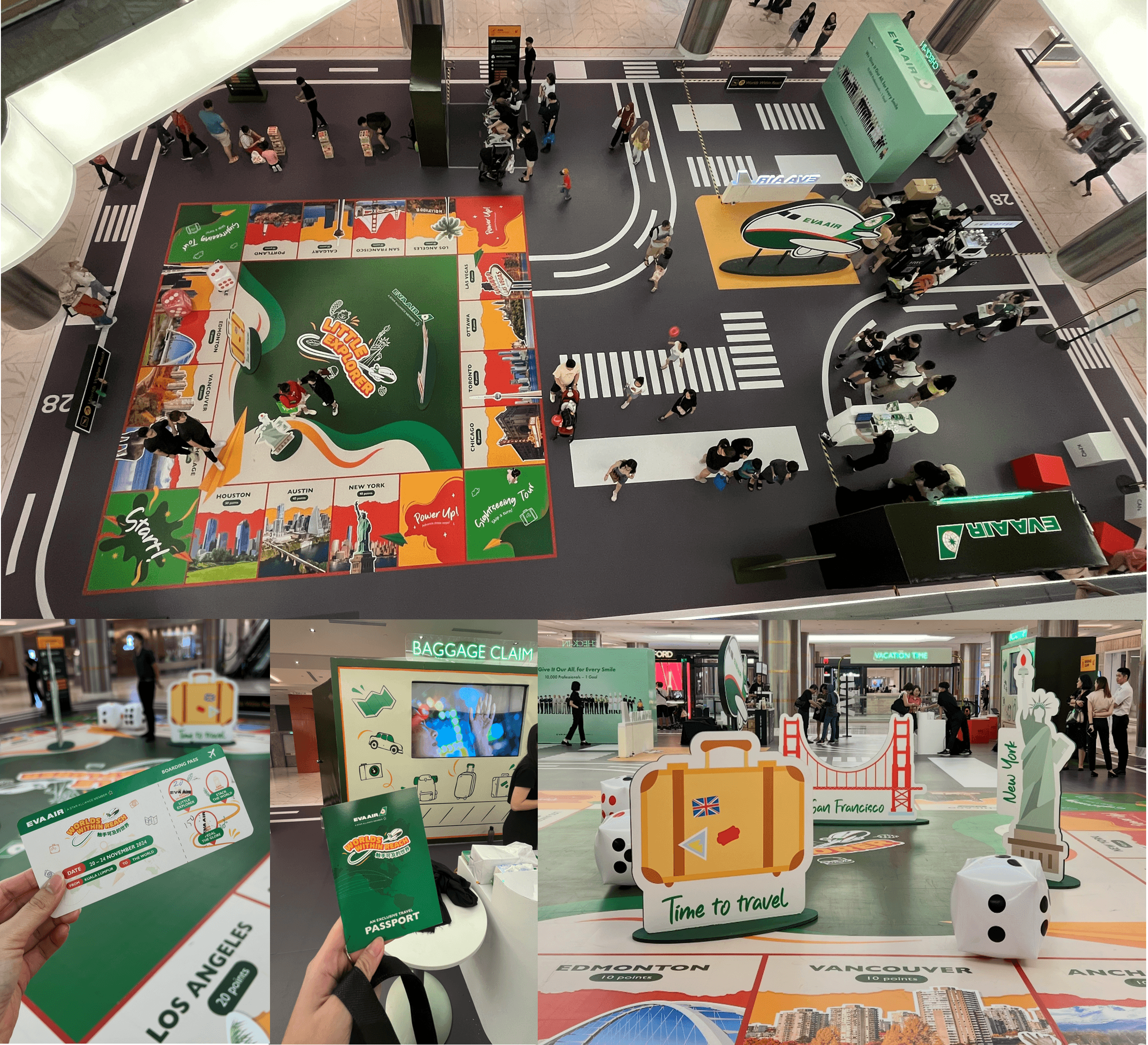
Visitors could “check in,” play travel-themed games, and collect prizes as they moved through zones modelled after real airport touchpoints. Each interactive element, from pedalling to “fly” an EVA aircraft to life-sized board games themed around global destinations, transformed brand discovery into play.
The experience not only reignited wanderlust but also deepened the emotional connection with the airline. By letting people experience travel through interaction, EVA Air attracted over 5,000 participants, exceeding expectations by 80%, and gained more than 3,000 new followers organically. The campaign achieved over 4 million in reach, 15,000 total engagements, and a measurable uplift in brand perception, proving that immersive experiences help audiences feel the brand rather than simply see it.
Even when a campaign is not aimed at children or teens, the underlying motivations behind participation remain the same. People want to express themselves and see their input reflected in the final experience.
By designing for interaction—through play, co-creation, or feedback loops—brands can uncover valuable insights about what motivates and excites their audiences. The creative and data-driven learnings from these experiences can inform how brands approach emerging generations like Gen Alpha, who will expect this level of involvement by default.
Example: CelcomDigi’s Which Speedster Are You Campaign
In Malaysia’s crowded broadband market, where most messaging focuses on price and speed, CelcomDigi recognised a key insight: Millennials and Gen Z were increasingly influencing household broadband choices, yet they were ad-fatigued and unresponsive to traditional promotions.
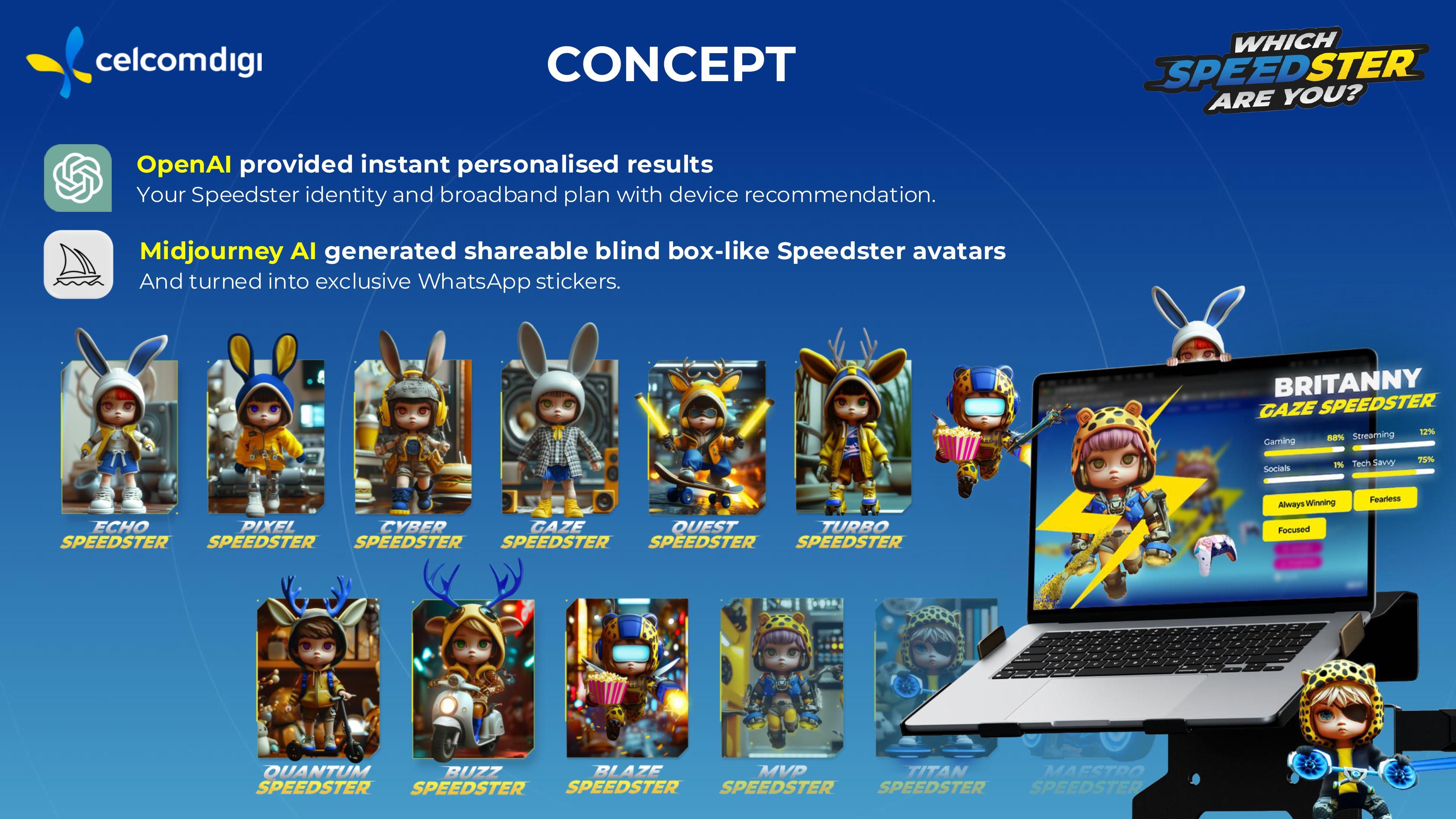
To engage this digitally native segment, we turned plan selection into a playful, digital-first experience. The Which Speedster Are You? quiz invited users to swipe, draw, speak, and interact instinctively, generating a personalised avatar and plan recommendation in real time. Built with AI tools like OpenAI and Midjourney, the experience collected zero-party data while letting participants explore and express their digital habits in a fun, shareable way.
In just four months, it drove over 22,000 site visits, captured more than 5,000 organic leads, and grew lead volume from five per month to 1,250 per month. Beyond these numbers, the interactions provided rich behavioural insights, helping CelcomDigi refine targeting and future engagement strategies. This demonstrated how gamified experiences can delight audiences while generating actionable intelligence, a model increasingly relevant as digitally fluent generations set expectations for participation and personalisation.
The lesson from Roblox is not just about reaching Gen Alpha. It is about understanding how digital behaviour is evolving across all generations.
Whether it is adults customising content, teens co-creating with influencers, or children building their own virtual worlds, the message is consistent: engagement is something people want to take part in, not something they simply receive.
Brands that embrace this shift by treating audiences as participants and partners will stay ahead, not only with Gen Alpha but digital consumers of all ages.



June 19, 2025
May 17, 2024

May 22, 2025

 Thank you for your enquiry! We'll respond shortly.