
Close





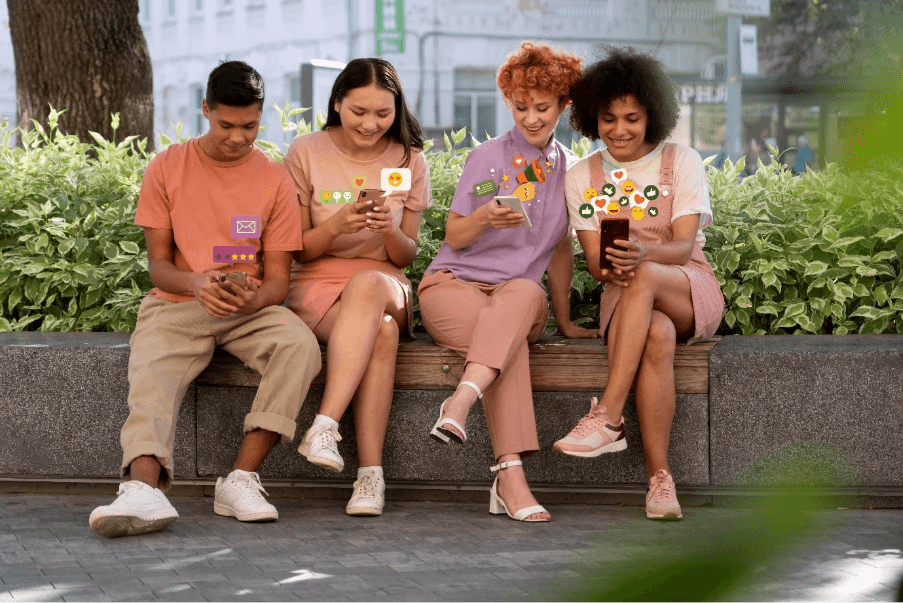
Generation Alpha, born approximately between 2010 and 2025, represents the first generation to grow up entirely in a digitally native world. They navigate screens, apps, and AI as naturally as playgrounds and classrooms. Across much of Asia, however, their brand perceptions are not formed in isolation. Family, education, and cultural values play a significant role, particularly in markets such as Malaysia.
Here are five key takeaways in 2026 for brands looking to engage Gen Alpha across Asia:
Contrary to stereotypes of tech‑obsessed children acting independently online, Gen Alpha’s digital behaviour across Asia is deeply intertwined with family and cultural structures. Early access to technology often happens within the household, with parents acting as enablers, guides, and gatekeepers.
In Malaysia, a 2025 Mastercard study found that 97% of Gen Alpha children already have access to a financial account, with many holding digital wallets (46%), investment accounts (40%), and debit cards (40%). These figures indicate not just early access, but confidence and engagement with digital systems learned alongside parents.
Global research also shows that Gen Alpha significantly influences household spending. According to Teneo’s Gen Alpha Consumer Influence study, Gen Alpha children in the U.S. and UK influence nearly half of household spending decisions, particularly on food, entertainment and lifestyle purchases, despite their young age. While the figures vary by market, the implication is consistent: Gen Alpha plays a meaningful role in family purchasing conversations.
For brands, this underscores the importance of multigenerational appeal. Experiences and messaging should resonate with both Gen Alpha and parents, acknowledging that decisions are co-shaped within the household rather than solely by children’s individual preferences.

A common assumption is that Gen Alpha “trusts influencers above all else”. While influencers matter, trust cues for Gen Alpha are far more relational and nuanced than platform metrics suggest. In Asian contexts, where family authority and collective decision-making are deeply ingrained, this dynamic is often even more pronounced.
Research consistently shows that Gen Alpha trusts parents and personal contacts far more than ads or social media content. In fact, only 22% trust information from social media sources, whereas around 80% say they trust information from their parents.
For brands, this means shifting focus from purely platform-optimised tactics to integrated, credible storytelling. Campaigns should consider how content is discussed, shared, and validated within households, not just how it performs in isolation on TikTok or YouTube.
Source: ZipDo Education Report 2026
Across Asia, Gen Alpha consumes content rapidly and predominantly through shortform and interactive formats. However, this digital fluency does not equate to passive consumption. They interact, share, comment, and even teach parents new tools they discover online, as seen in broader APAC data by Mastercard showing Gen Alpha introducing parents to new digital financial tools.
This participatory instinct is evident on platforms like Roblox, where Gen Alpha not only consumes content but actively co-creates and documents their experiences.
With 97% of Gen Alpha keen on helping brands make design decisions, marketers that offer participatory opportunities are more likely to build engagement that extends beyond clicks and impressions, creating familiarity and loyalty over the long term.
For Gen Alpha, education—both formal and informal—plays a central role in shaping values and expectations. Parents overwhelmingly support content that offers learning value and real-world skills application, especially in areas like financial literacy and digital safety.
This aligns with broader regional trends where Gen Alpha’s trust in tech is balanced by parental concerns around wellbeing and cognitive development. Many parents remain wary of screen time, preferring content that is safe, enriching, and culturally meaningful.
For marketers, this underscores two priorities:
Despite their digital roots, Gen Alpha still values physical experiences. Research by MG2 shows that 73% of Gen Alpha prefer shopping in-store, where they can explore products hands-on, validate purchases, and connect with brands in more tangible ways. These offline engagements reinforce digital journeys by adding emotional context that screens alone cannot provide.
This generation moves seamlessly between digital and physical worlds, expecting experiences that are clear, interactive, and meaningful. They value real world contexts as extensions of their digital lives, not as separate realms.
For brands, hybrid experiences that bridge online and offline interactions are therefore crucial for cultivating trust, recall, and loyalty.

In 2026, Gen Alpha across Asia is undeniably digital, but platforms are not the sole determinants of influence or brand affinity. Short-term metrics such as clicks or conversions remain useful, but consistency, values, and trust are far more important in shaping long-term relationships.
Brands that maintain a consistent presence, uphold cultural and educational relevance, and invite participation rather than passive consumption are more likely to build loyalty that lasts into adulthood.
Understanding Gen Alpha means understanding their ecosystem: the families, values, and environments that shape how they engage with the world, not just their screens.




May 17, 2024

February 27, 2026

October 29, 2025

 Thank you for your enquiry! We'll respond shortly.