Close



Article written by Samantha Lim, Senior Marketing Executive
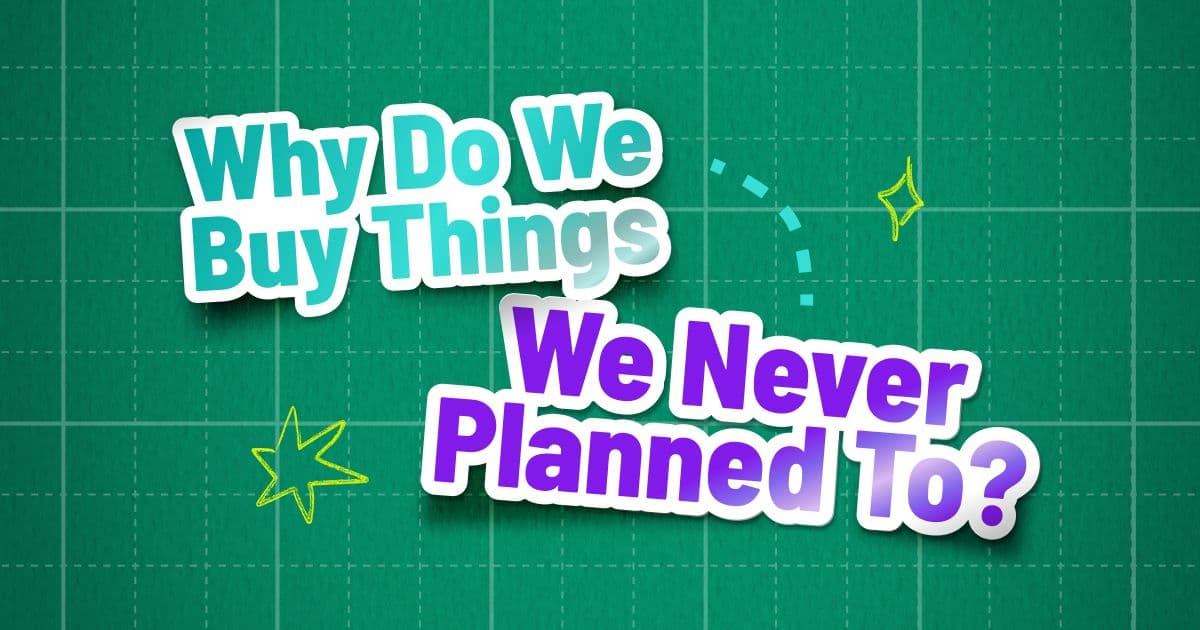
Have you ever added an extra drink to your order just because it was "only RM2 more"? Or bought concert tickets immediately because there were "only three seats left"?
You probably thought you were making a rational decision. But chances are, someone designed that decision long before you click "Buy."
The truth is, the best marketing tactics rarely convinces people to want something they don't. Instead, it changes how we perceive value, urgency, and choice.
Welcome to the fascinating world of consumer psychology.
Every day, we make thousands of decisions. From what we eat for breakfast to which product we add to our cart, our brains are constantly processing information.
If we carefully analysed every single choice, decision-making would become exhausting.
So instead, our brains rely on mental shortcuts called cognitive biases. These shortcuts help us make decisions faster, but they also make our behaviour surprisingly predictable.
Here are some of the most common psychological principles you'll encounter almost every day.
"Only 2 rooms left."
"Sale ends in 3 hours."
"Limited edition."
These messages all trigger one powerful feeling: FOMO, or the fear of missing out.

When something feels scarce, our brains naturally assume it must be more valuable. Psychologists call this the Scarcity Principle. We tend to place greater importance on opportunities that appear rare or difficult to obtain because our brains associate scarcity with quality, popularity, or exclusivity.
It's also driven by loss aversion. Research shows that people generally feel the pain of losing something more strongly than the satisfaction of gaining something of equal value. In other words, the fear of missing an opportunity often outweighs our desire to make a perfectly rational decision (The Lead Alchemists Agency, 2026).
That's why even if we weren't planning to buy something five minutes ago, the thought of not being able to buy it later suddenly makes it feel essential.
This is why brands create limited drops, seasonal launches, and countdown promotions.
Luxury brands release exclusive collections. Fast food chains introduce limited-time menus. Streaming platforms remind you when a favourite show is “Leaving Soon.”
The product itself has not changed, but the opportunity has and that creates urgency.
Imagine you're buying popcorn at the cinema.
Small: RM12; Medium: RM18; Large: RM19
Suddenly, the large feels like incredible value.
Was it always your first choice? Probably not.
The medium exists for one reason: to make the large look significantly better.
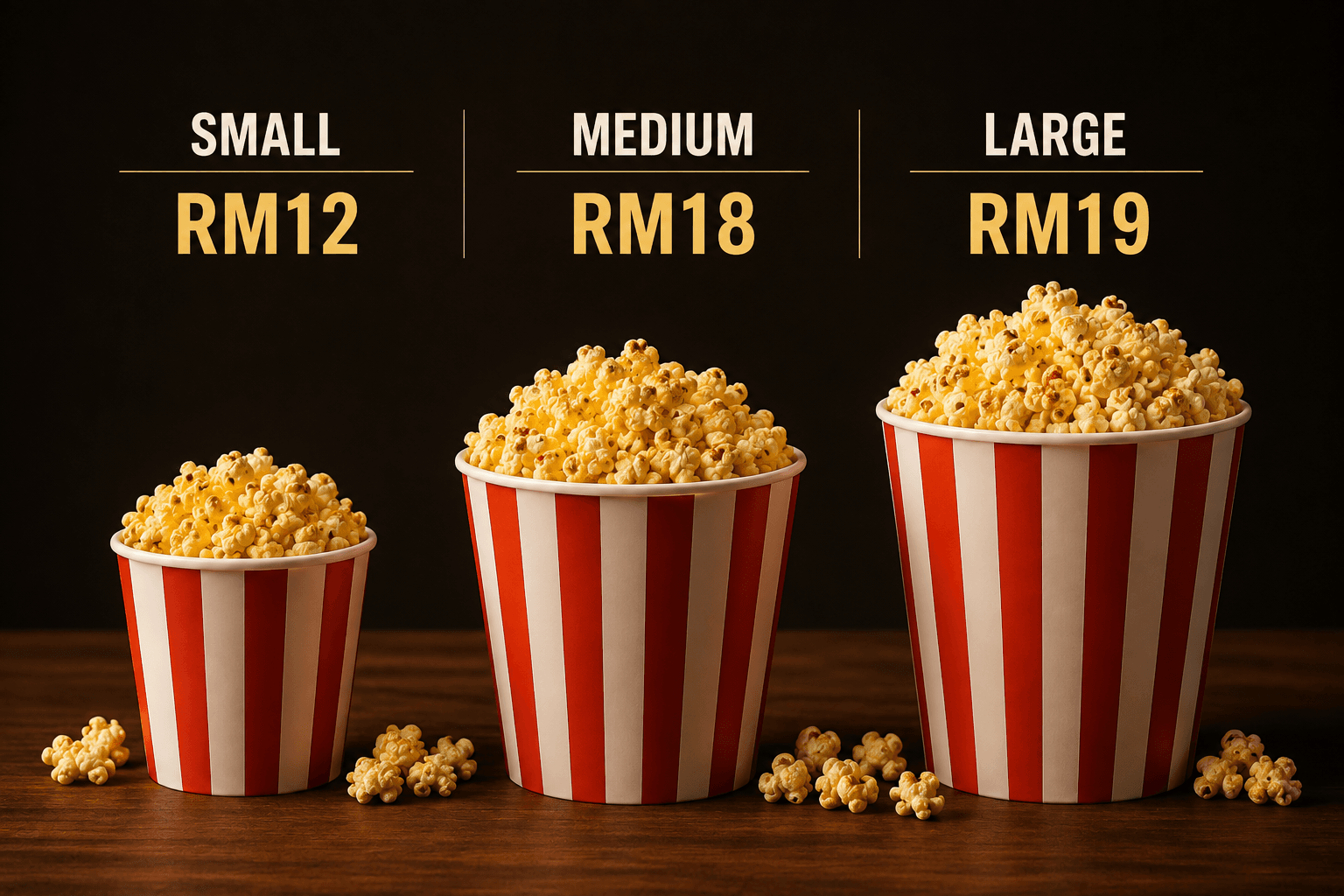
This psychological principle is known as the Decoy Effect.
Rather than evaluating each option independently, our brains compare them relative to one another. By introducing an option that's only slightly less attractive than the premium choice, the premium option suddenly appears to offer significantly better value (Mortimer, 2019).
In reality, nothing about the large popcorn changed. What changed was your perception of what felt like a "smart deal."
The same principle appears everywhere:
Sometimes brands don't need to lower their prices. They simply need to change the way options are presented.
Imagine seeing a jacket priced at RM899. Next to it, another jacket costs RM499.
Suddenly RM499 feels reasonable.
Now imagine walking into another store where the only jacket costs RM499.
It suddenly feels expensive.
Nothing about the product has changed.
Only your point of comparison did.
This is known as the Anchoring Effect.
Our brains rarely evaluate prices in isolation. Instead, we use the first number we encounter as a mental benchmark and judge everything else against it. Even when we know the comparison may not be entirely fair, that initial anchor continues to influence our perception (Cherry, 2025).
That's why retailers often display the original price beside discounted ones. The larger number makes the sale price feel like a bargain, even if the final price is still relatively high.
That's why restaurants place premium items at the top of menus.
Property listings showcase luxury homes before more affordable options.
Retail stores highlight “Was RM899, now RM499.”
The original number sets expectations and changes how we perceive value.
Imagine walking past two cafés.
One is empty.
The other has a queue stretching outside.
Without knowing anything else, most people would assume the crowded café must be better.
Why?
Because when we're uncertain, we naturally look at others’ behaviours for guidance. Psychologists refer to this as Social Proof (Proctor and Stevenson, 2025).
It's a mental shortcut that helps us make decisions with less effort. If lots of people appear to like something, our brains interpret that as evidence that it's probably a good choice. This behaviour becomes even stronger when the people we're observing seem similar to us.
Brands use this principle through:
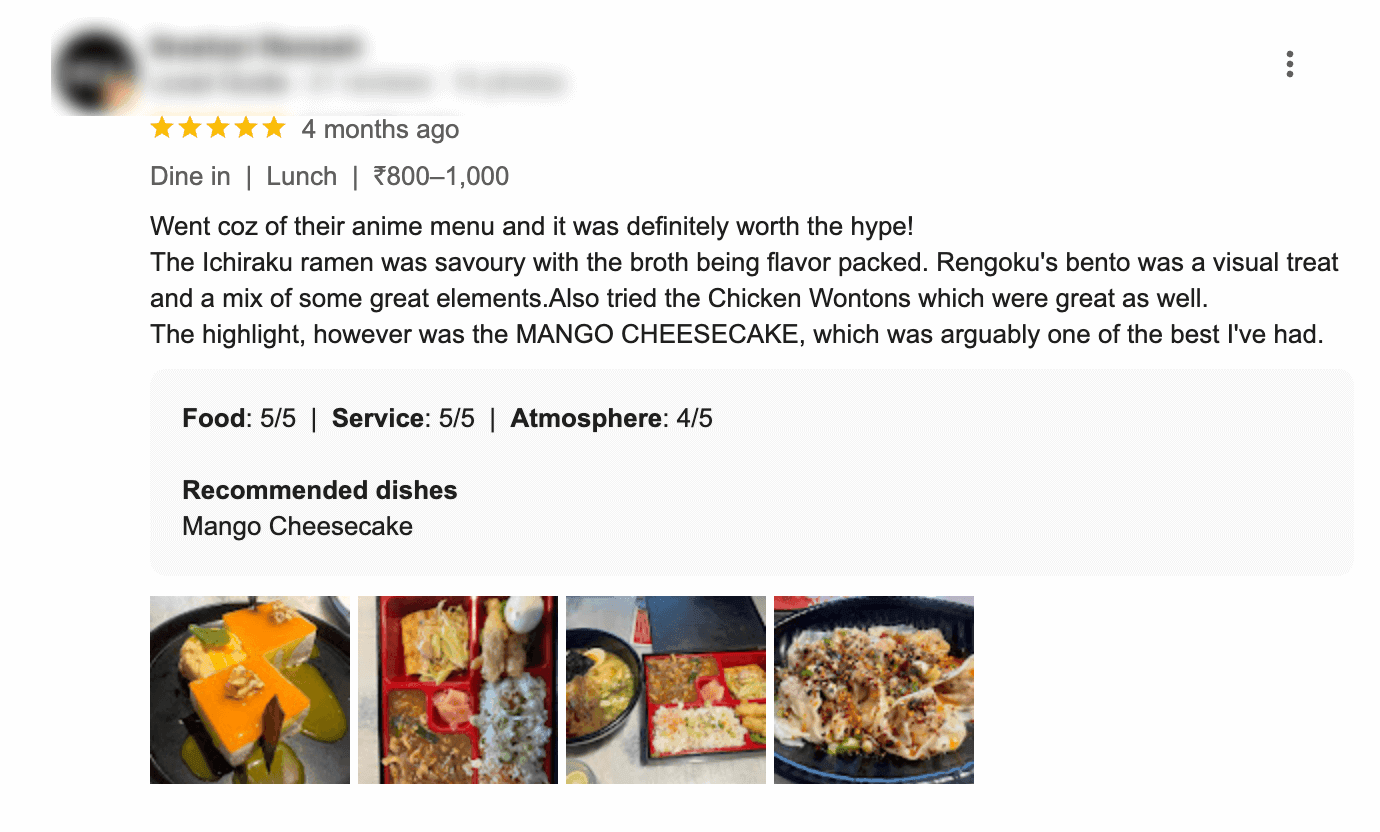
People don't just trust brands. They trust people who feel familiar and relatable.
Free trials aren't simply a generous offer.
They're rooted in persuasion psychology.
Once something feels like it belongs to us, even temporarily, we begin assigning it greater value. This is known as the Endowment Effect.
Ownership creates emotional attachment. After we've incorporated a product into our daily routine or personalised it to our preferences, giving it up starts to feel like losing something rather than simply choosing not to buy it (Ganti, 2026).
The longer we use something, the more familiar and indispensable it becomes.
Think about:
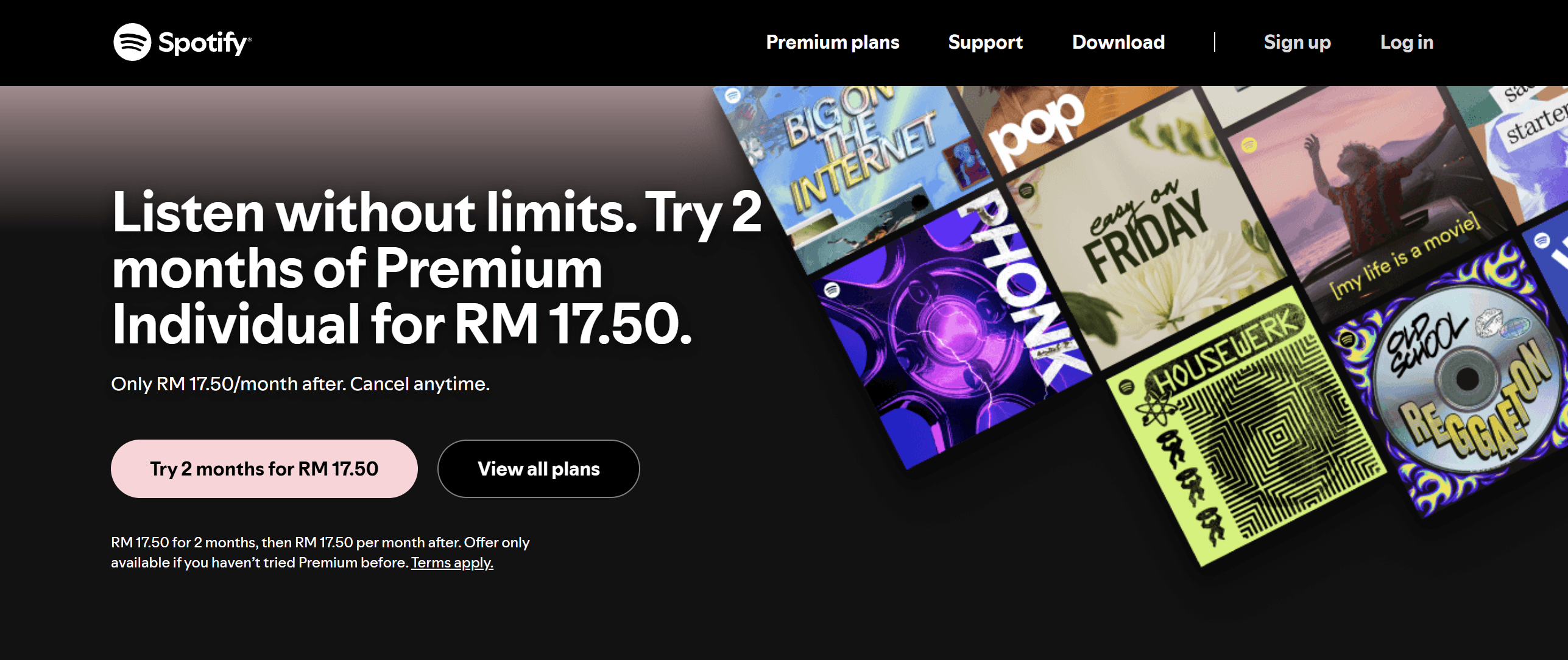
Technically, the product isn't yours yet. Psychologically, it already feels like it is.
We often assume that more choices mean happier customers.
But sometimes, too many options create the opposite effect.
When people feel overwhelmed, they may avoid making a decision altogether.
This is why successful brands build sales tactics around simplicity.
Instead of showing 100 products, they highlight the ones that matter.
Instead of listing every feature, they focus on the benefits customers actually care about.
Good marketing strategy is not about giving people endless choices. It is about helping people make better ones.
It’s easy to think these marketing strategies are designed to trick consumers.
But the reality is more complex.
People don’t make decisions using logic alone.
Just as sensory marketing speaks to our feelings before logic takes over, our decisions are shaped by emotions, habits, experiences, and context.
The best marketing recognises that.
It reduces friction.
It creates clarity.
It helps people understand why something matters.
Because consumers don’t always choose the objectively “best” product.
They choose the one that feels like the right decision. And often, that feeling begins long before they realise they’ve made a choice.
So, is your brand’s marketing built on real understanding, or just guesswork? Chat with Kingdom Digital and let’s find out.
References:



February 27, 2026

October 29, 2025
May 17, 2024

 Thank you for your enquiry! We'll respond shortly.