Close



Article written by Samantha Lim, Senior Marketing Executive
Have you ever watched an iced coffee being poured in slow motion and suddenly felt like you needed one? Or caught yourself craving a lip tint because it looked like glazed doughnuts?
Chances are, you've experienced sensory marketing without even realising it.
As consumers become increasingly immune to traditional advertising, brands are shifting away from simply showing products to creating experiences that people can almost taste, smell, hear or touch—even through a screen. It's no longer enough to simply capture attention. Brands need to create moments that people remember.
Sensory marketing is a strategy that engages one or more of our five senses—sight, sound, smell, taste and touch—to shape how people perceive a brand. Rather than relying solely on product features or promotional messages, it draws on consumer psychology via emotion, memory, and physical experience to create stronger, longer-lasting connections.
While sensory marketing has traditionally been associated with physical retail spaces through signature scents or immersive store designs, today's brands are finding ways to recreate those experiences digitally. Through visual storytelling, ASMR-inspired audio, food-inspired aesthetics and tactile product design, they're making audiences feel something—even before making a purchase.
We're living in an era of digital fatigue. Consumers scroll through thousands of pieces of content every day, much of which looks and feels increasingly similar. As content becomes easier than ever to produce, polished visuals alone are no longer enough to stand out. Instead, people are drawn to experiences that feel human, tangible, and emotionally satisfying.
At the same time, consumers are craving experiences that reconnect them with the physical world. Think satisfying food close-ups, ASMR videos, textured packaging or immersive pop-up spaces. These moments don't just capture attention—they evoke memories, emotions, and even physical sensations.
That's because our senses are deeply connected to memory. A familiar scent can transport us back to a specific moment in time, while a distinctive sound can instantly remind us of a favourite brand. The more senses involved, the more memorable the experience becomes.
Consumers are increasingly looking for these immersive brand experiences. According to VML's Future Shopper research, 65% of consumers want brands to surprise them with unexpected, out-of-the-box campaigns, while nearly half say they're more likely to buy from brands that bring them joy.
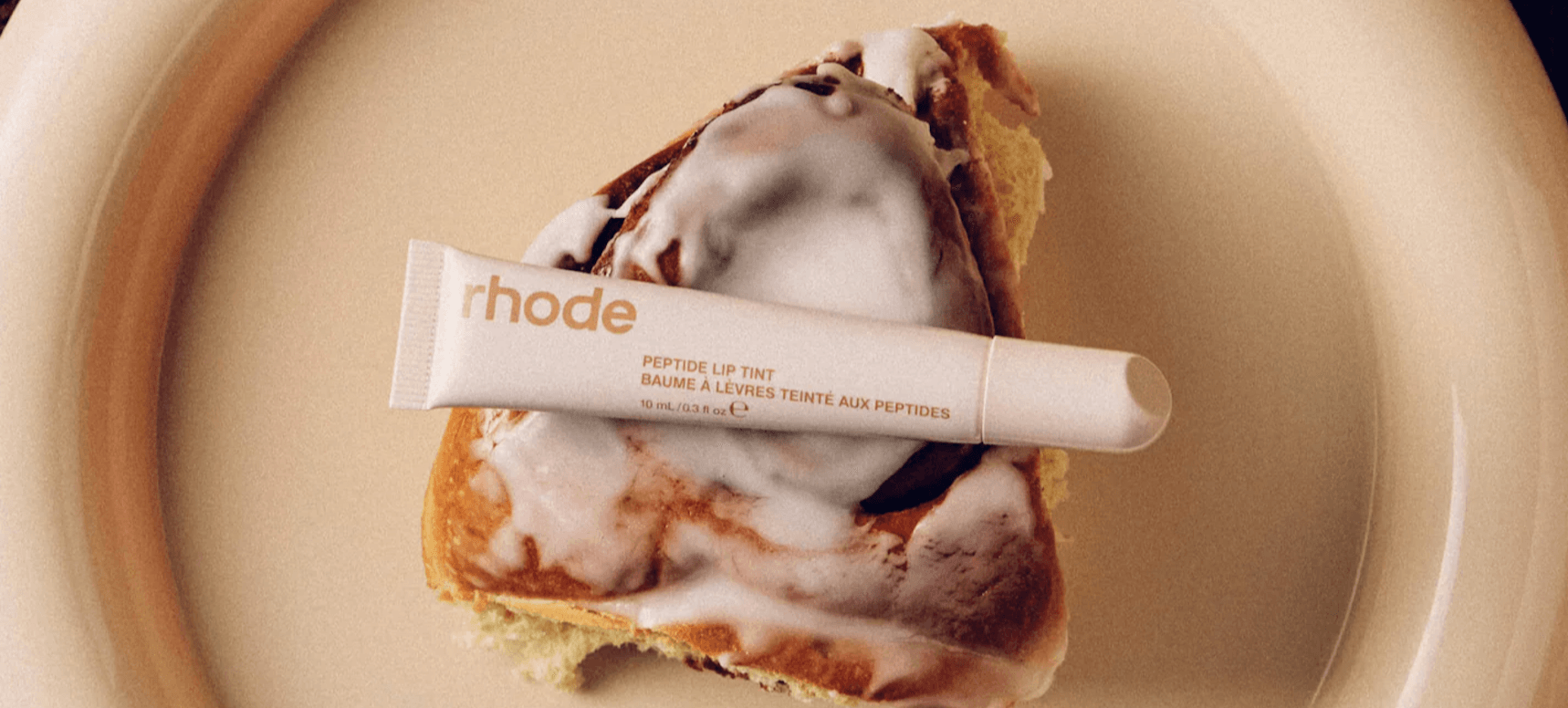
Rhode, Peptide Lip Tint in Cinnamon Roll
Rhode's Peptide Lip Tint didn't just introduce new shades—it borrowed directly from the language of food. Shades like Espresso, Ribbon and Toast were paired with glossy visuals resembling caramel, frosting and melted chocolate. Although consumers couldn't physically taste the product, these food-coded visual cues evoked familiar flavours and cravings, making the lip tint feel almost edible.

Netflix Originals, Intro
The iconic "Tu-dum" lasts barely two seconds, yet millions of viewers instantly recognise it before a single visual appears. Sound has a way of embedding itself in our memory, shaping emotions and influencing behaviour without us even realising it. That's the power of sonic branding: creating an audio identity so distinctive that it becomes part of the brand experience. That familiar chime doesn't just announce Netflix—it creates anticipation, signalling that entertainment is about to begin.
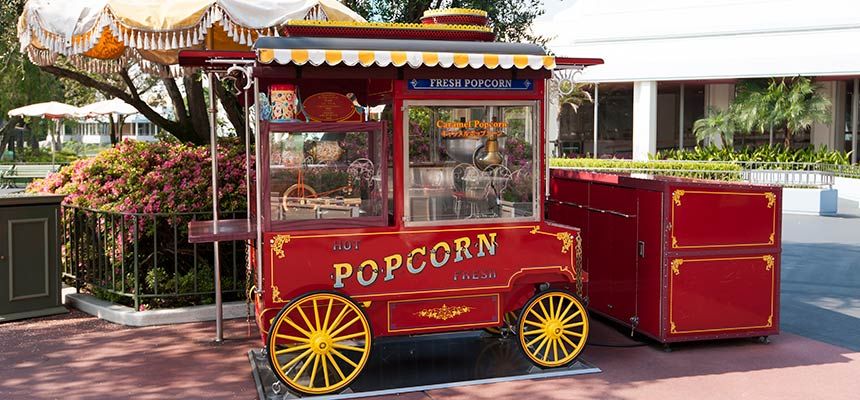
Disneyland, Popcorn Wagons
Have you ever walked past a popcorn wagon at Disneyland and been greeted by the irresistible smell of freshly popped popcorn? It isn't always coming from the popcorn itself. Disney is known for using carefully placed scent diffusers—often nicknamed "Smellitizers"—to release aromas like popcorn, baked cookies and vanilla throughout different areas of the park. (Getahun, 2023).
It's scent marketing at its most refined; these scents don't just create atmosphere; they reinforce storytelling and subtly encourage purchases by making the experience feel warm, familiar, and comforting.
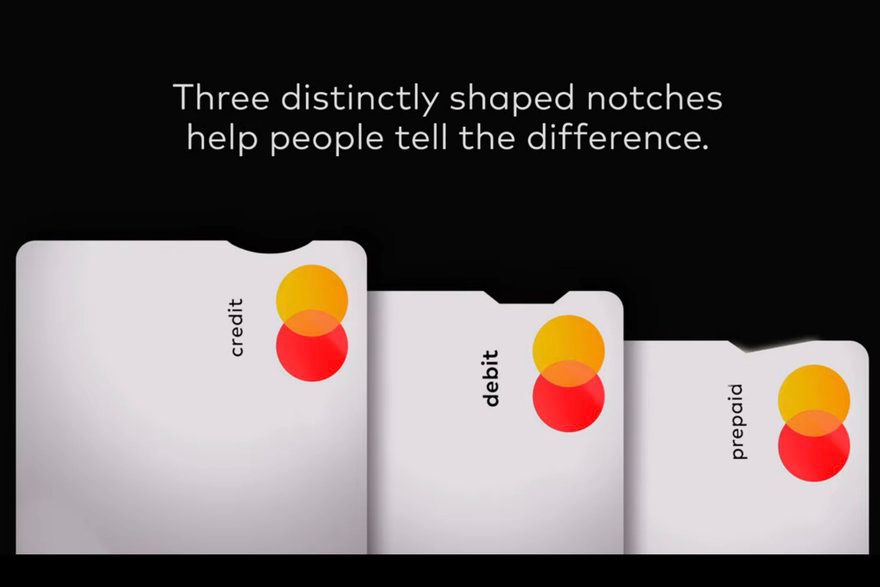
Mastercard, Accessible Cards for the Blind
Mastercard transformed a simple payment card into a more intuitive sensory experience by introducing tactile notches that help blind and partially sighted users identify their cards independently. Rather than using touch as a novelty, the brand integrated it into the product itself, showing how sensory design can create meaningful experiences while making accessibility a core part of the brand.
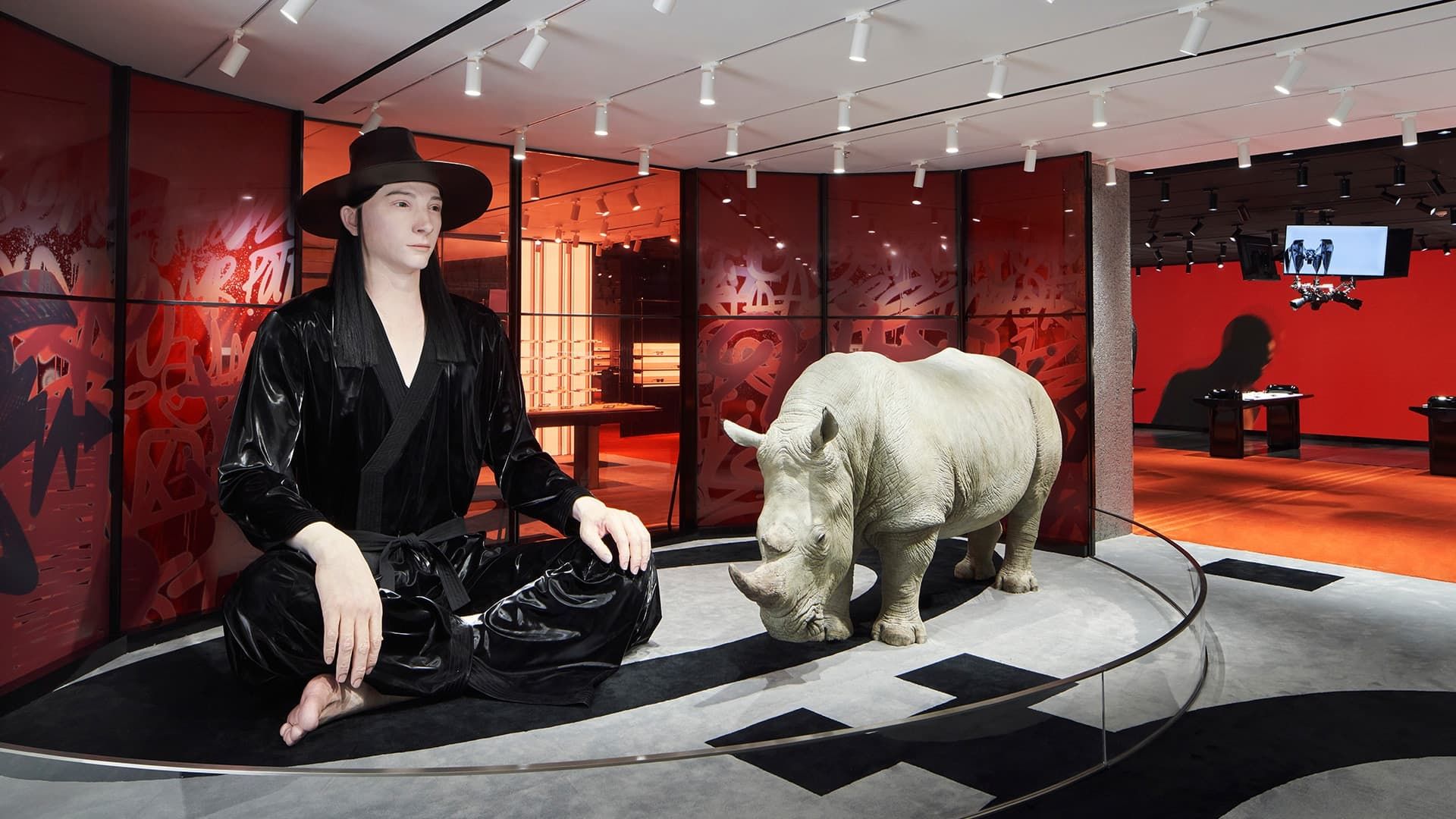
Gentle Monster, Flagship Store in Beijing Taikoo Li Sanlitun
Every Gentle Monster store feels more like stepping into a contemporary art gallery than an eyewear boutique. Featuring surreal installations, interactive sculptures and cinematic interiors, the brand turns shopping into an immersive visual experience that encourages customers to slow down, explore and engage with the space. By making the environment just as memorable as the products themselves, Gentle Monster demonstrates how visual storytelling can transform retail into a powerful brand experience. It's a reminder that sight isn't just about beautiful imagery—it's about experiential marketing: creating moments people want to experience for themselves.
As digital content becomes increasingly abundant—and increasingly generated by AI—attention alone is no longer the hardest thing to earn. Connection is.
That's why brands are moving beyond simply creating content that looks good. They're designing experiences that feel familiar, comforting, and memorable, whether through immersive spaces, distinctive sounds, tactile packaging or visuals that spark cravings.
The future of marketing isn't about appealing to just one sense. It's about orchestrating multiple senses to create experiences people don't just see—they remember. Long after someone forgets an advertisement, they'll remember how a brand made them feel.
Ready to give your audience something they can almost taste? Talk to Kingdom Digital about crafting sensory-driven campaigns that sticks.
References:



June 30, 2026

June 15, 2026
May 11, 2026

 Thank you for your enquiry! We'll respond shortly.