Close


Fanfiction has long existed on the fringes of mainstream media — often dismissed as a niche hobby or juvenile pastime.
If you haven’t come across it before, fanfiction refers to stories written by fans who take characters, worlds or plotlines from existing works — like books, films, TV shows or games — and reimagine them in new ways. That might mean rewriting an ending, exploring a side character’s backstory, or placing the story in an entirely different universe.
While fanfiction has global roots — from Star Trek fanzines to Fifty Shades of Grey evolving from Twilight fanfic — its rise in Southeast Asia is uniquely shaped by local languages, platforms, and collective imagination. Here, it has become a vibrant, culturally significant form of participatory storytelling, transforming how communities connect with narratives and with one another.
And this growing movement holds important lessons for brands looking to build more meaningful, two-way relationships in a digital era where consumers expect more than just passive content.
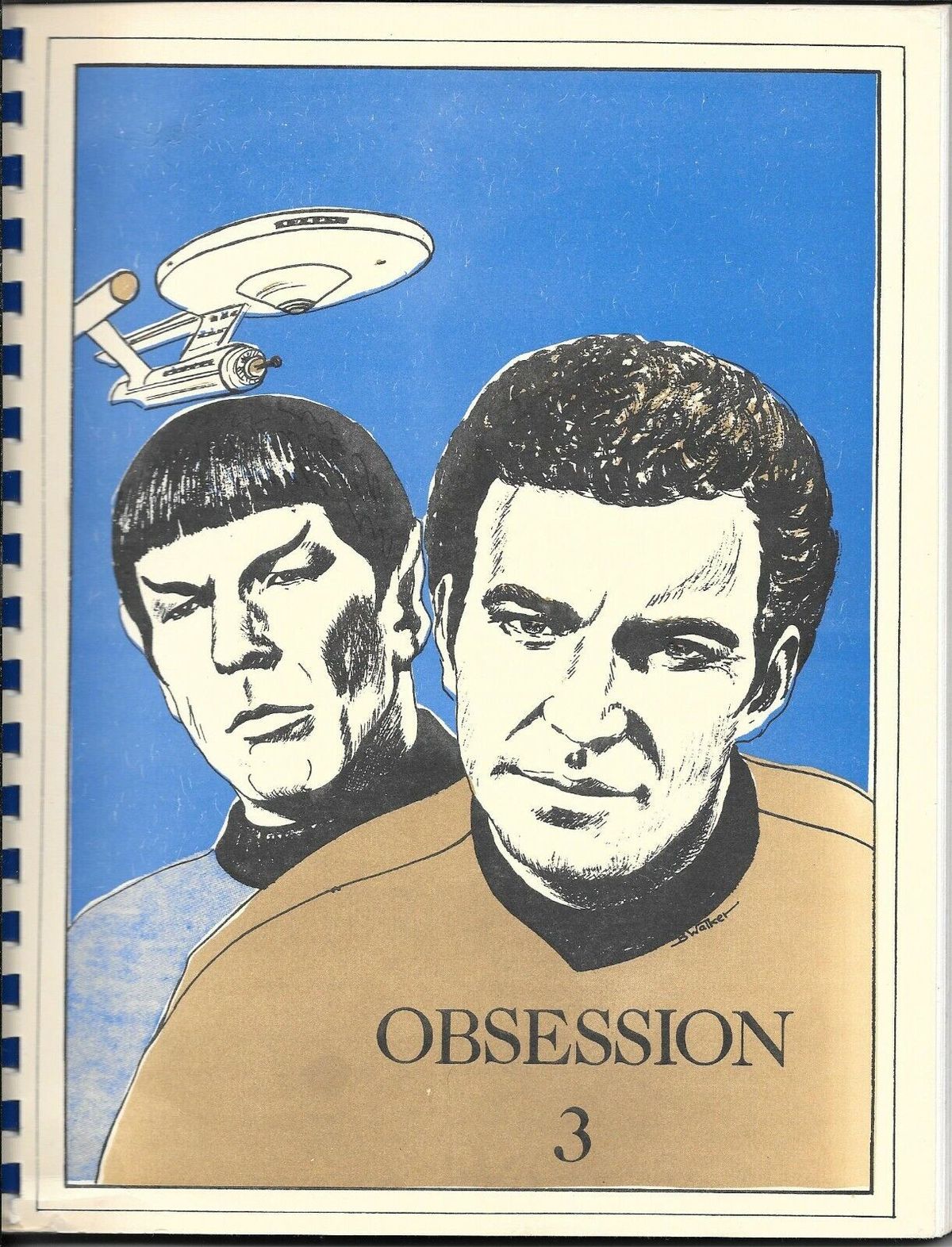
This is a Star Trek fanzine titled “Obsession 3” published in 1984. Source: Pinterest
Platforms such as Wattpad, Archive of Our Own (AO3), and increasingly, TikTok fan edits, have enabled millions across Southeast Asia to co-create and reimagine narratives. This is no longer just about retelling familiar stories; it is about emotional investment, remixing worlds, and forming communities around shared passions.
Take Wattpad’s explosive popularity in the region, with localised content ranging from Filipino romance tales to Thai fantasy epics, illustrating how fanfiction resonates by honouring local culture while inviting creative participation. On TikTok, fans edit clips, add music, and share personal takes on popular media, sparking trends that often ripple beyond the platform.
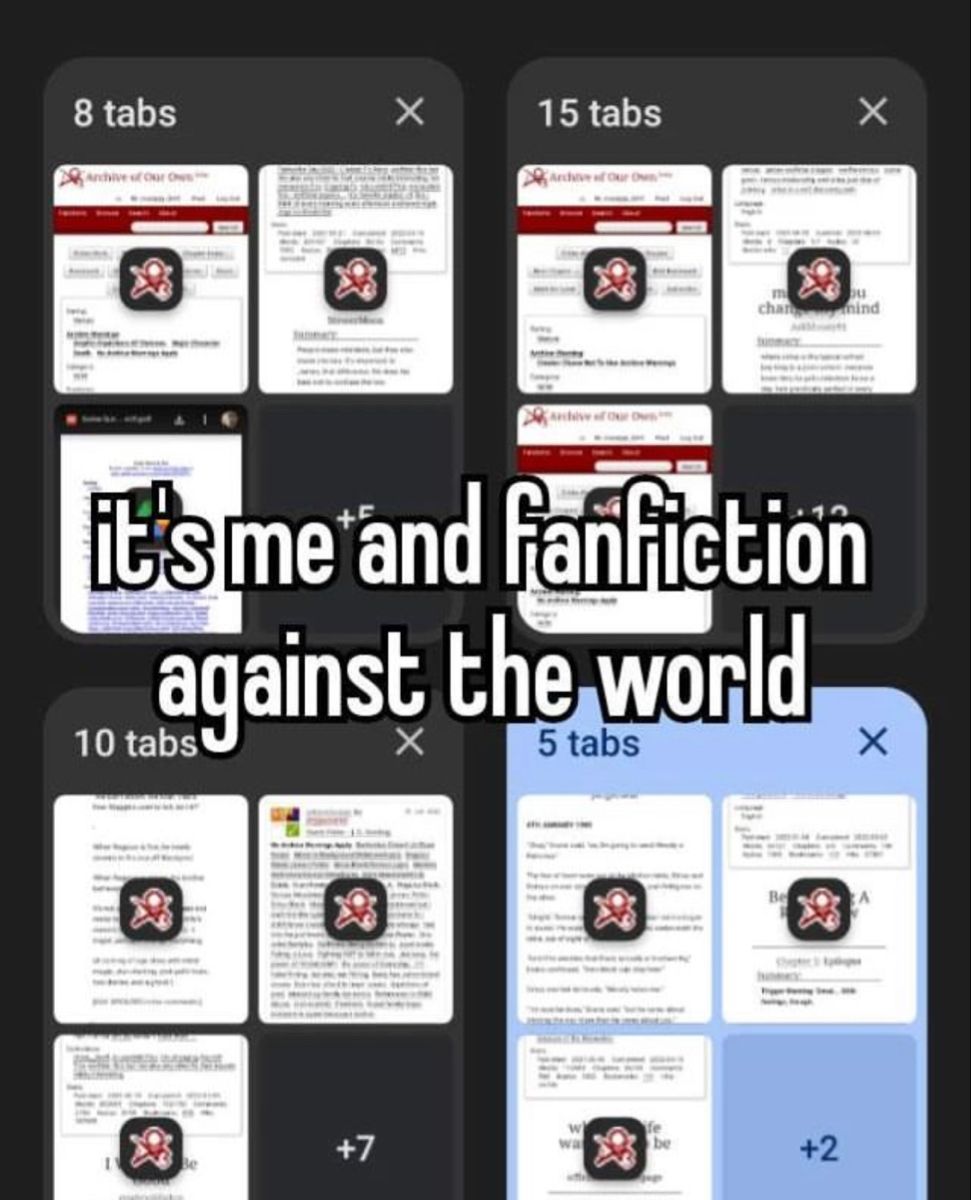
Source: Pinterest
Brands are in the business of storytelling, but traditional top-down narratives often fail to resonate with increasingly savvy Southeast Asian consumers who crave authenticity and agency. Fanfiction offers a blueprint for how brands can:
Netflix SEA - Amplifying Korean drama TikTok Fan Edits
Netflix Southeast Asia embraced fan creativity by curating and sharing TikTok fan edits of popular K-dramas (e.g. Squid Game, My Demon, Mrs. Sunshine), tapping into trends like #kdramaedit. These contributed to genuine community buzz and cultural amplification.
Webtoon x Wattpad Studios – From Tropes to Television
In Southeast Asia, Webtoon and Wattpad (both owned by Naver) are turning fan-driven web content into published books, films, and series. In Indonesia and the Philippines, Wattpad novels with fanfiction-like tropes (enemies-to-lovers, CEO romance) often get adapted into soap operas or films, showing a pipeline from community-driven writing to mainstream media.
Disney’s Use of Fan Theories – Fandom Meets Canon
Disney’s Marvel and Star Wars properties actively monitor and occasionally incorporate popular fan theories or characters into canon. The rise of Ahsoka, and multiverse concepts explored in Loki and Doctor Strange, illustrate how fan narratives are shaping the very universes they once only observed from afar.
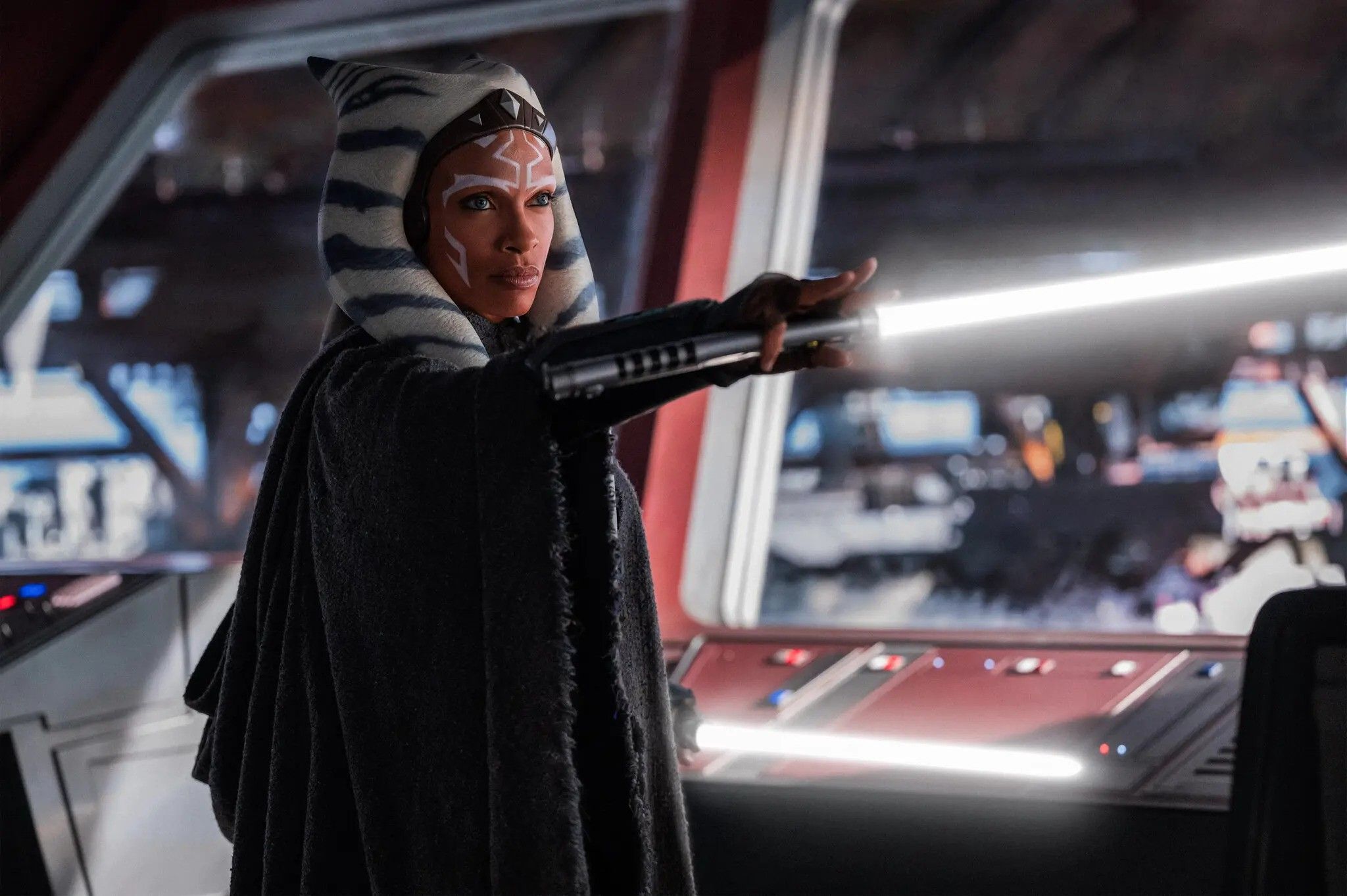
Ahsoka was created by and for committed and knowledgeable “Star Wars” fans.
Source: The New York Times
Fanfiction culture proves that audiences aren’t just passive consumers — they’re co-authors. The most forward-thinking brands are those willing to listen, validate, and evolve with them.
In Southeast Asia’s hyper-social digital bazaar, people don’t just consume stories, they renovate them. Brands that surrender the storytelling steering wheel, offer lore to play with, and create space for meaningful participation will find fans ready to build the next big chapter — for your IP and your balance sheet.



June 19, 2025
May 29, 2025
May 17, 2024

 Thank you for your enquiry! We'll respond shortly.