
Close




Article written by Valerie Koh, Senior Marketing Manager
Instagram’s latest format — the ultra-wide, cinematic video — is quickly making waves across feeds. Dubbed the “thinnest video on the Internet,” it flips the platform’s usual vertical-first experience on its head. Brands like Starbucks Malaysia and Nando’s Malaysia have already dived in, while even Tourism Queensland cheekily questioned whether it’s a fad or the future.
So, should brands start re-cutting their video assets to 5120×1080 just to join the bandwagon? We asked our teams what they thought, and whether this format is worth a seat in your next campaign.
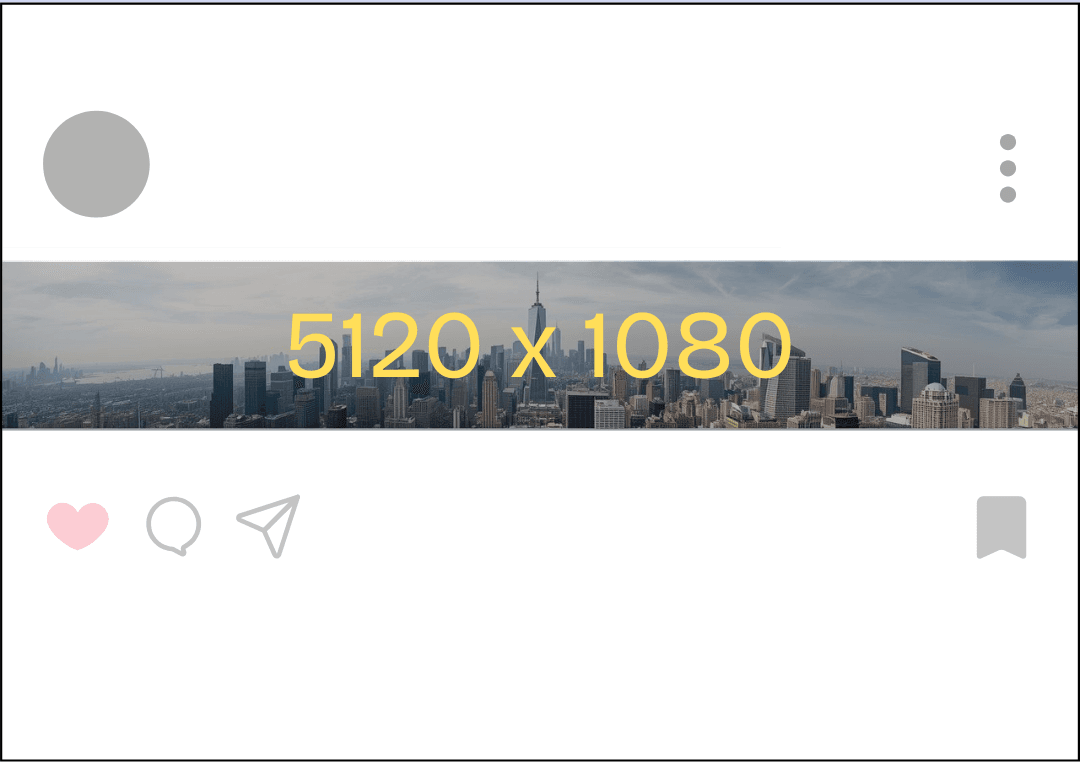
Most of our team agreed that the ultra-wide format immediately stops the scroll, if only because it feels so unexpected. “At first, I honestly thought it was a glitch,” admitted See Yan, Art Director from the Social team. “It looks cool and different, but I don’t think it’s something people will stick with for long.”
Jean Hao, another Art Director, joked that her eyes were in pain from all the squinting. She added: “It’s new and refreshing, especially on a vertical-first platform like Instagram. But ultimately, it’s not about the format, it’s about whether the content fits it.”
Amirul Hafiz, Content Creator from our TikTok team summed it up neatly: “The hype is more about the look than the message. Without a solid story, the ‘wow’ quickly turns into ‘why’.”
The consensus? The format’s novelty gives it stopping power, but attention alone doesn’t equal engagement. Without creative intent, it risks being just another fleeting social experiment.
From a production point of view, the ultra-wide format requires forethought. It’s not something you can easily retrofit.
“It’s definitely doable with the right planning,” said See Yan. “But re-cutting from existing footage could make visuals lose focus or key details.”
Jean pointed out that framing becomes trickier than it looks. “You’ll need to make sure your shots are perfectly centred and composed for that thin horizontal space. Re-cutting old footage isn’t ideal, it needs to be intentional from the start.”
Our Senior Video Editor, Yik Wei, agreed: “This ratio’s main selling point is in wide landscape shots. Any close-up would just look awkward. It’s cool for a one-off, but when everyone starts doing it, the charm wears off.”
So, while technically achievable, the real challenge is creative alignment — knowing when and why to use it.
If the ultra-wide trend is to move beyond novelty, it needs to serve the story, not just the feed. Amirul put it best: “When the format serves the idea, not the other way around, that’s the sweet spot.”
Our team identified several use cases where this could shine:
Some brands have already demonstrated this balance. Amirul shared two examples:
BFM Radio
BFM Radio used the format cleverly to discuss BUDI95 — a government-linked savings initiative in Malaysia designed to encourage financial literacy. The brand turned a trending format into a topical moment that felt both relevant and natural, earning plenty of positive comments.
Visa Cash App Racing Bulls F1 Team
This team took a more tongue-in-cheek approach, posting a deliberately stretched, off-ratio video with the caption “Wanted to jump on the trend but our editor is off this week.” It’s a reminder that humour and self-awareness can be just as effective as polish when playing with social trends.
Used with purpose and careful planning, the 5120×1080 video format can become a storytelling device — a creative choice rather than a creative constraint.
As with most social trends, timing and intention matter. The ultra-wide format isn’t the future of content, but it is a clever reminder that surprise still captures attention. For brands willing to experiment, it’s an opportunity to reimagine storytelling and subvert expectations, just don’t confuse novelty for strategy.
Or as Amirul quipped, “Plan your shots, give it meaning, and make it feel intentional. Otherwise, it quickly turns from super wide to super why.”




May 22, 2025
August 20, 2025

August 8, 2025

 Thank you for your enquiry! We'll respond shortly.