
Close
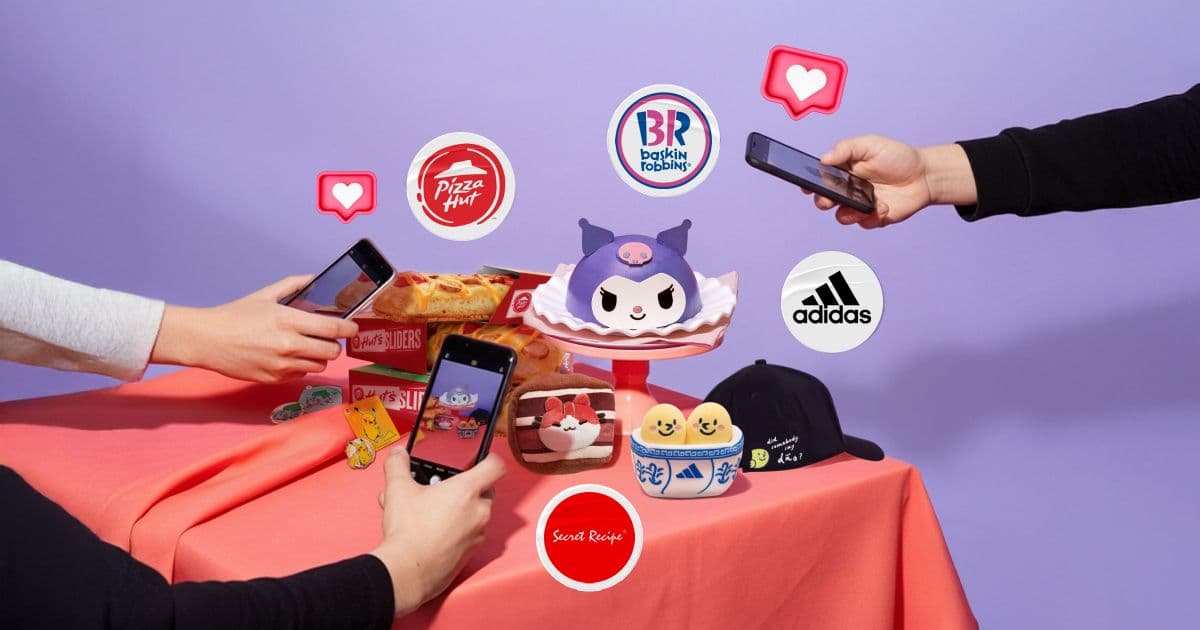




In Southeast Asia, IP (intellectual property) collaborations have evolved far beyond simple licensing deals or one-off product drops.
At their core, these partnerships are about borrowing or building characters, stories, or cultural symbols that already hold emotional weight with audiences and using them as bridges into brand ecosystems. It is not just Hello Kitty on a cup or a cartoon mascot placed on packaging. When done well, IP collaborations become engines for community building, creating participation, shared excitement, and cultural belonging.
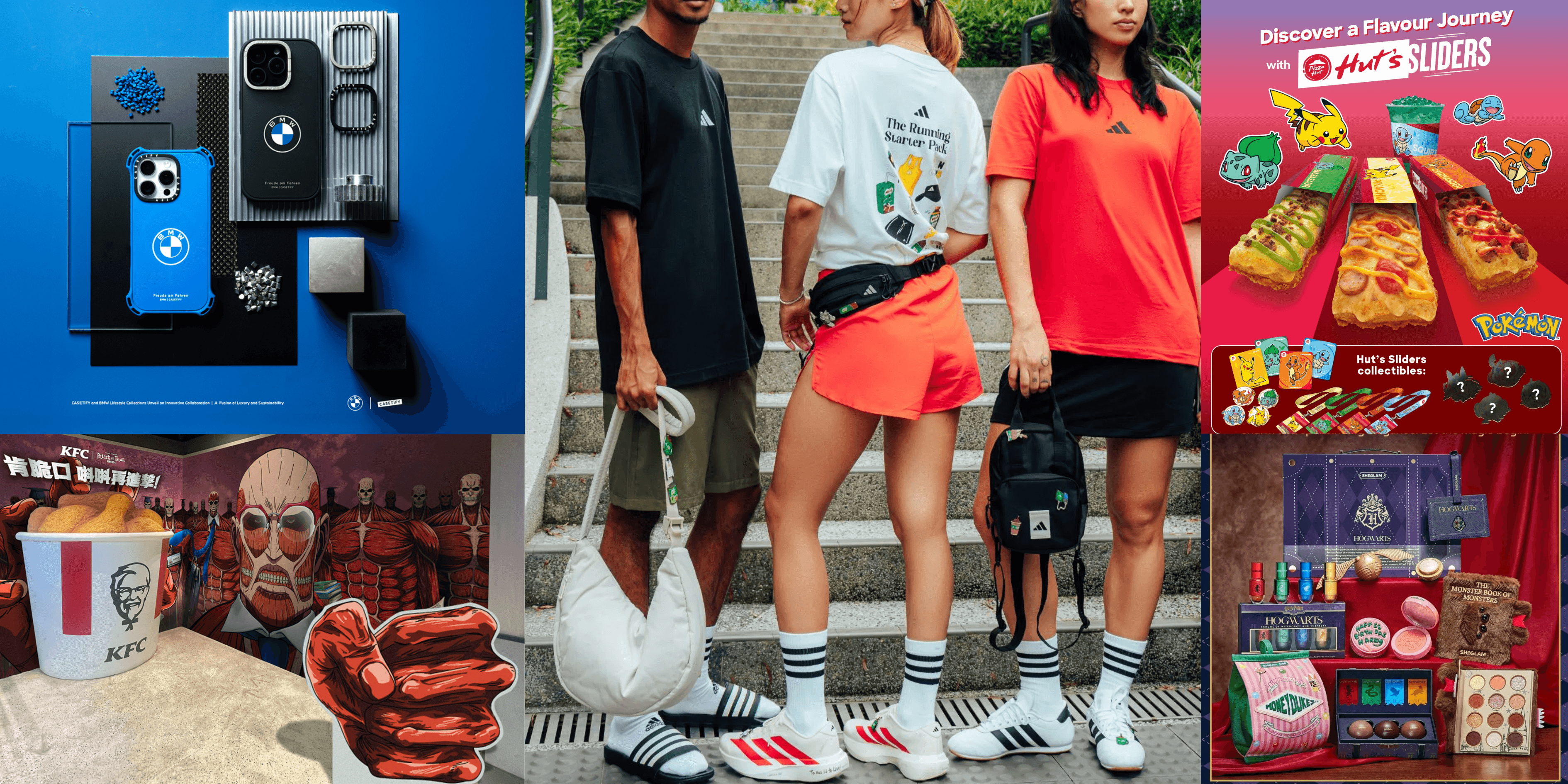
Sources: CASETiFY, Pizza Hut Hong Kong, Adidas, Pizza Hut Malaysia, SHEGLAM
For brands in Malaysia and Singapore, the opportunity lies in recognising that IP is not just about attaching a familiar face to a campaign. Done right, it transforms audiences into communities. Fans do not just buy a drink, a cake, or a suitcase; they join a story, attend events, and share their experiences across digital and physical touchpoints. That sense of belonging is what makes a collaboration endure long after the campaign ends.
IP collaboration thrives on emotional resonance. Nostalgia is a powerful driver, particularly in Southeast Asia where millennials and Gen Z are embracing what we coined as ‘revenge living ’—the drive to reclaim joy, spontaneity, and experiences that once felt out of reach. Partnering with IP taps into this nostalgia, helping brands feel young again and culturally relevant. Consumers who grew up with beloved characters find joy in rediscovering them in unexpected contexts, whether it’s an ice cream flavour, a coffee cup, or a fashion accessory.
But let’s be clear. Brands aren’t simply borrowing the IP brand’s customer base. More often, it’s about the brand itself proving its relevance, signalling to consumers that it understands what matters to them. For the IP owner, especially smaller or emerging ones, the value flows the other way, as they leverage the brand’s scale, visibility, and distribution. This dynamic is evident in collaborations with local creators, where the IP benefits just as much, if not more, from the partnership.
The key is a win-win situation, built on a shared purpose that both sides can stand behind. Without that, the collaboration risks being seen as novelty trendjacking, quickly forgotten once the hype fades.
The strongest collaborations show that IP is not a decoration but a bridge into culture. They invite participation, spark belonging, and create shared rituals. Recent examples highlight how IP can work at different levels—from global to hyper-local—each unlocking community in its own way.
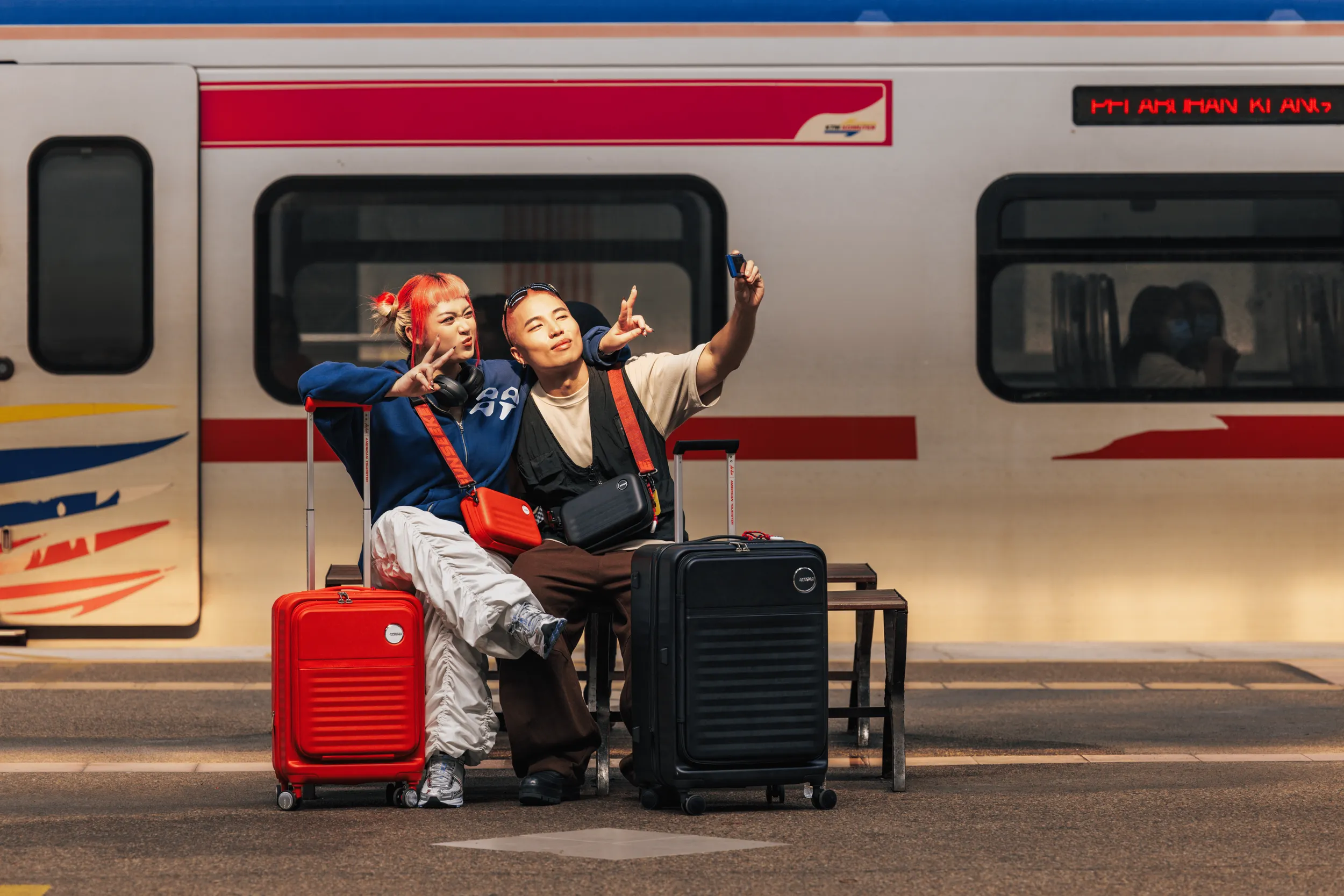
Sources: AirAsia
AirAsia’s partnership with global luggage and lifestyle brand American Tourister turned travel gear into collectible culture. Bringing together two iconic brands synonymous with travel and adventure, The Funseekers Collection features AirAsia’s signature branding, blending style, durability, and playful design, embodying the shared vision of both brands to elevate every journey. By linking two recognisable names, the collaboration positioned luggage as more than a utility. It became a statement of identity for the AirAsia community.
Beyond external partnerships, AirAsia also doubled down on its own IP: the AirAsia Buds characters. Working with Moonbug Entertainment, AirAsia Buds will be introduced to the world in a 12-episode animated series set to debut on YouTube this year. At the same time, AirAsia has partnered with MiraiLab to bring innovative projects featuring AirAsia Buds to life across licensing, retail, events, and merchandising to create unique, immersive, and impactful experiences.
This approach demonstrates how a brand can expand its own IP universe and cultivate an owned community, rather than relying solely on borrowed equity from global names. For AirAsia, it is about strengthening its cultural footprint while giving fans new ways to engage with a brand they already love.
Sanrio’s Kuromi gave the ice cream chain a mischievous edge and a direct line into millennial and Gen Z nostalgia. Select outlets were brought to life as Kuromi-themed destinations, complemented by exclusive merchandise and limited-edition cakes and ice cream flavours, designed to foster stronger emotional connections with fans.
The collaboration was further amplified through influencer and fan-generated content, turning what could have been a simple limited-edition flavour into a cultural touchpoint. Fans lined up not just to enjoy the ice cream but to participate in a shared moment of fandom.
Not all cultural resonance comes from global icons. Bichi Mao, a quirky cat character born in Malaysia, is proof that homegrown IPs can command just as much attention. Its collaborations span Secret Recipe, featuring Bichi Mao-inspired outlets, exclusive collectibles, adorable kids’ meals, and limited-edition desserts, as well as SimplyHeal pimple patches—each giving fans new ways to encounter the character in daily life.
For partner brands, the value lies in Bichi Mao’s relatability and distinctly local humour, which global IPs often cannot replicate. For the IP itself, each partnership builds equity and reach, slowly transforming it from a niche mascot into a cultural presence.
These examples show that IP collaborations are not just about visibility. Their true power lies in creating shared experiences that extend beyond the transaction, drawing audiences into a sense of community.
Communities form around stories and meaningful moments, not discounts or giveaways. When brands treat IP collaborations as engines for community building, they cultivate loyalty that no promotion can buy.
For brands in Southeast Asia, the key question is this: are you investing in authentic connections and culturally relevant stories, whether through hyper-local or micro-IP, or merely chasing big names for short-term attention?
The former approach builds a network of advocates who carry your story forward, amplifying your cultural relevance. The latter risks producing campaigns that fade quickly, lost in the noise of fleeting trends.



June 19, 2025

May 29, 2025
May 17, 2024

 Thank you for your enquiry! We'll respond shortly.